How Halftone Dots Work

Printing Basics
About Halftone Dots (Printing Halftones)
In offset printing, tonal values are expressed using small dots called halftone dots.
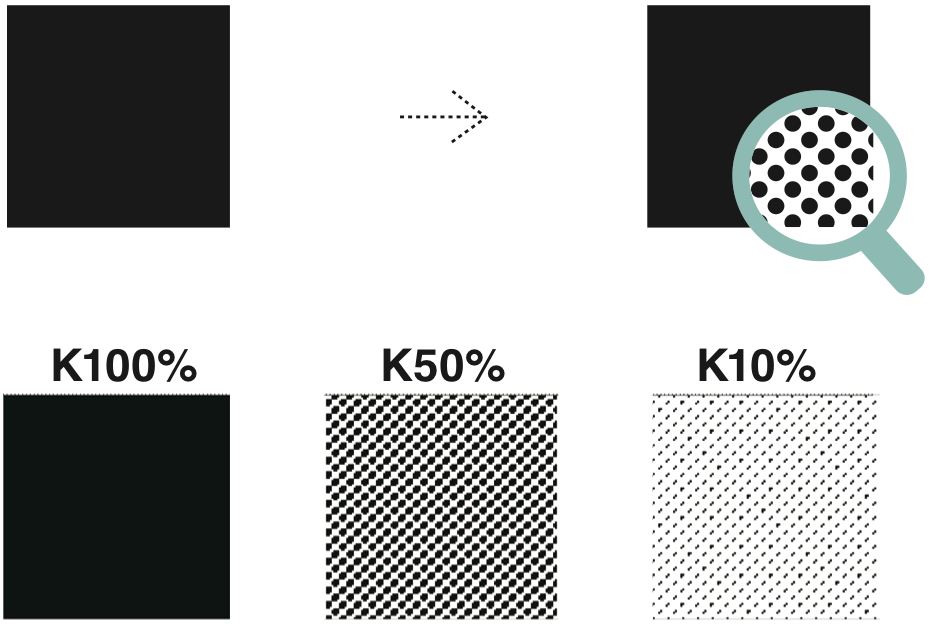
Tonal Expression Using Halftone Dots
Because a printing press cannot change the density of the ink itself, it creates the appearance of light and dark tones by varying the size and spacing of the dots.
- Dark colors: larger dots placed at a higher density
- Light colors: smaller dots spaced further apart
This technique allows an infinite range of colors and gradations to be reproduced using only the four CMYK inks.
K100%
K50%
K10%
Important Notes for Low-Density Colors
Issues That Occur at 10% Density or Lower
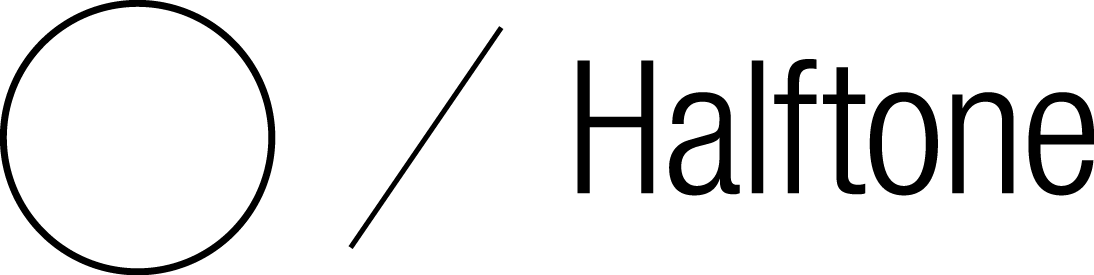
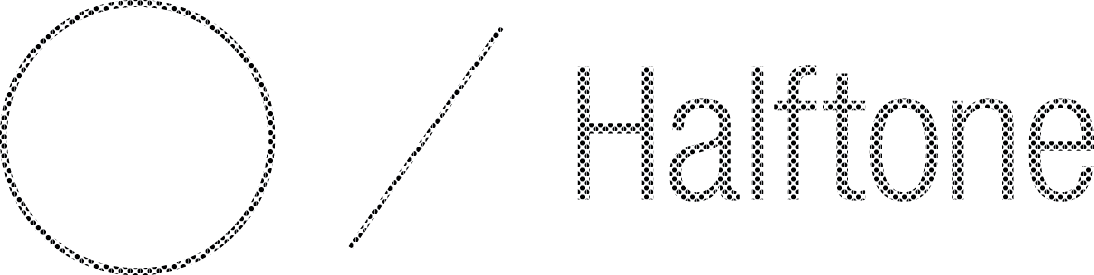
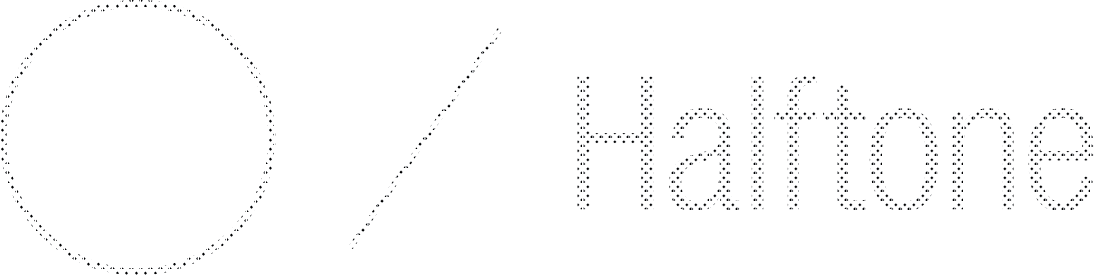
Design elements set at a color density of 10% or below may become difficult to see for the following reasons:
The spacing between dots becomes very wide
To represent light colors, the halftone dots are spaced far apart. As a result, thin lines and small text can appear faint, grainy, or difficult to read.
Mechanical limitations of printing presses
Offset presses have physical limits, making it difficult to reproduce extremely small and light dots with stability.
Elements Easily Affected
- Thin lines (especially 0.25 pt or thinner)
- Small text (below 6 pt)
- Delicate illustrations or patterns
Differences by Paper Type
Uncoated papers have surface texture and unevenness, which can cause ink to settle inconsistently. As a result, low-density colors may appear even lighter. When expressing fine elements in light colors, we recommend using coated papers with smoother surfaces.
Recommended Sizes and Line Widths
To ensure your design reproduces correctly in print, please follow the guidelines below.
| Recommended Line Width | 0.25 pt or thicker | Lines thinner than 0.1 pt may display on a monitor but will not print. Even when you intend to create hairline-like details, please ensure a minimum of 0.25 pt. |
| Recommended Text Size | 6 pt or larger | Text smaller than 6 pt becomes significantly less legible. Small text set in CMYK colors is especially affected, as halftone dot misalignment can cause blurring. |
Cases Requiring Special Attention
- Light colors (10% density or below) + thin lines
- Light colors (10% density or below) + small text
- Lines thinner than 0.25 pt
- CMYK text smaller than 6 pt
These combinations may not reproduce correctly in print.
About Data Checking
Issues related to low-density colors, thin lines, or small text are not covered by data checking.
Before submitting your data, please confirm the following:
- Is any important information set in light color density?
- Are thin lines and small text large enough and dark enough to be legible?
- Have you checked a printed sample or test print to understand how the final output will look?


 Japan
Japan